
How to Perform a Professional SEO Audit (Step-by-Step)
The exact, end-to-end SEO audit process Rankora uses on enterprise clients — covering technical, on-page, content, backlink, and competitive analysis.
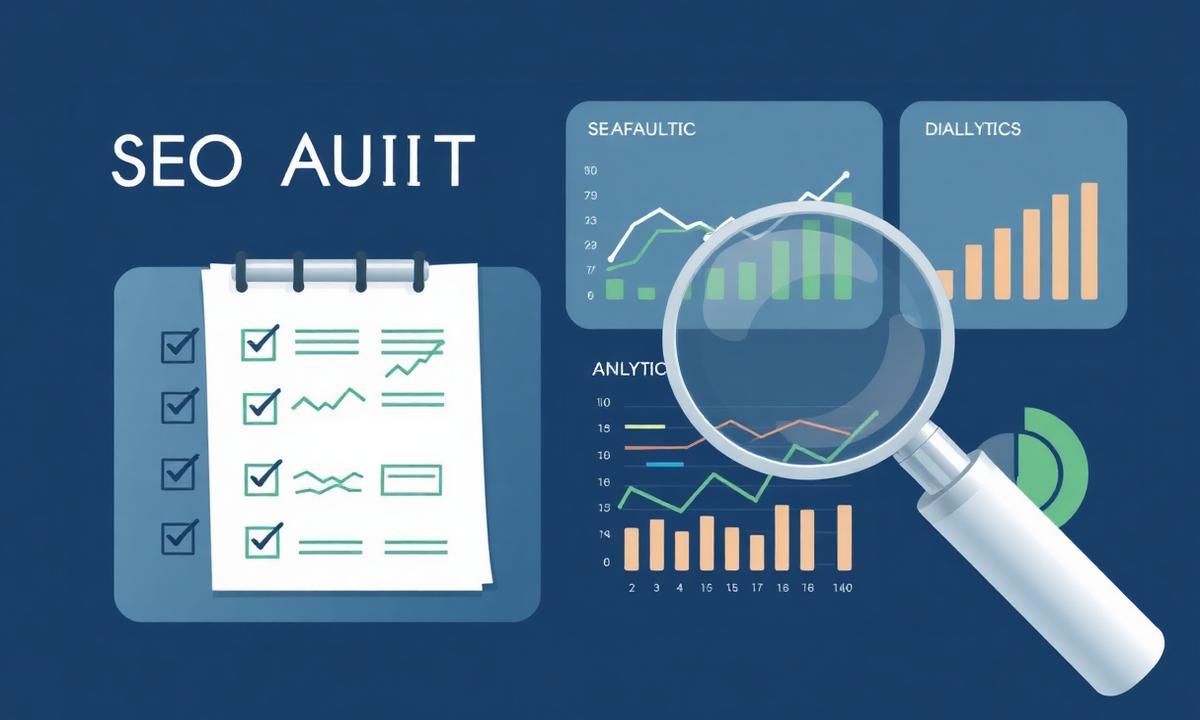
A great SEO audit doesn't just list problems — it prioritizes them by revenue impact and prescribes a clear execution path. Below is the full audit framework Rankora runs on enterprise clients, adapted for teams of any size. Work through it end-to-end and you'll surface every meaningful issue holding your organic performance back.
Phase 1: Discovery & Goals
Before running any tools, understand the business. What products drive revenue? Which markets matter? What conversions actually count? An audit without business context is just a list of tasks.
Phase 2: Access & Baseline Metrics
- Google Search Console — full property access
- Google Analytics 4 — with clear conversion events
- Bing Webmaster Tools — often overlooked
- Backlink data (Ahrefs, Semrush, or Majestic)
- Screaming Frog or Sitebulb crawl access
Phase 3: Technical Audit
Crawlability & Indexation
- Robots.txt and meta robots audit
- XML sitemap accuracy
- Search Console indexation report review
- Canonical tag validation
- Orphan page detection
Performance & Core Web Vitals
Pull field data from CrUX and lab data from PageSpeed Insights. Identify template-level bottlenecks and quantify the ranking upside of fixing them.
Mobile, HTTPS, and Rendering
Verify mobile parity, secure connections, and — for JS-heavy sites — that Googlebot actually sees your content in the rendered HTML.
Phase 4: On-Page Audit
- Title tag and meta description uniqueness and quality
- H1 usage and heading hierarchy
- Keyword targeting alignment with search intent
- Content depth vs top-ranking competitors
- Internal linking depth and anchor text distribution
Phase 5: Content Audit
Export every URL and score each on traffic, rankings, conversions, and quality. Tag pages as: keep, optimize, consolidate, or prune. A ruthless content audit almost always lifts site-wide rankings within one to two Google updates.
Phase 6: Backlink Profile Analysis
- Referring domain growth trend
- Anchor text distribution and over-optimization risks
- Toxic link identification and disavow strategy
- Competitor link gap analysis
Phase 7: Competitor Benchmarking
Identify 3–5 true SERP competitors (not just business competitors). Compare their content depth, technical setup, backlink profile, and topical coverage. Every gap is a prioritization signal.
Phase 8: Local & International (If Applicable)
- GBP completeness and review profile
- NAP consistency across major citation sources
- hreflang implementation for multi-region sites
- Country-specific ccTLD or subfolder strategy review
Phase 9: Prioritization Matrix
Score every finding by (a) potential revenue impact, (b) implementation effort, and (c) time to result. Rank the top 20 opportunities and package them into a 90-day execution plan.
Phase 10: Deliverables and Rollout
- Executive summary — findings, quick wins, quarterly roadmap
- Technical fix list for engineering
- Content optimization briefs for editorial
- Link building priorities for outreach
- KPI dashboard and monthly reporting rhythm
Frequently Asked Questions
How long does an SEO audit take?+
For a mid-sized site, a thorough audit takes 2–4 weeks. Enterprise audits with international scope can take 6–8 weeks.
How often should we audit?+
A full audit once a year, plus focused mini-audits after every major site release, migration, or Google core update.
Should we do it in-house or hire an agency?+
In-house teams can absolutely run great audits. Agencies bring cross-industry pattern recognition, senior specialists, and objectivity — usually worth it for high-stakes sites.
Key Takeaway
A professional SEO audit turns guesswork into a prioritized, revenue-aware execution plan. Run this framework end-to-end, and you'll not only surface every meaningful issue on your site — you'll leave with a clear map of the highest-ROI SEO work available to your business over the next 12 months.
Related articles
All articles →
What Is SEO? A Beginner's Guide for 2026
A clear, jargon-free introduction to Search Engine Optimization — what it is, how it works, and why it still drives the highest ROI of any marketing channel.
Read article
Technical SEO Checklist for 2026: The Complete Framework
A modern, no-fluff technical SEO checklist covering crawlability, Core Web Vitals, indexation, structured data, and everything Google's algorithm actually rewards in 2026.
Read article
On-Page SEO Best Practices That Actually Move Rankings
The on-page optimization playbook we use to help pages climb the SERPs — from title tags and headings to internal linking, entities, and content depth.
Read article