
What Is SEO? A Beginner's Guide for 2026
A clear, jargon-free introduction to Search Engine Optimization — what it is, how it works, and why it still drives the highest ROI of any marketing channel.
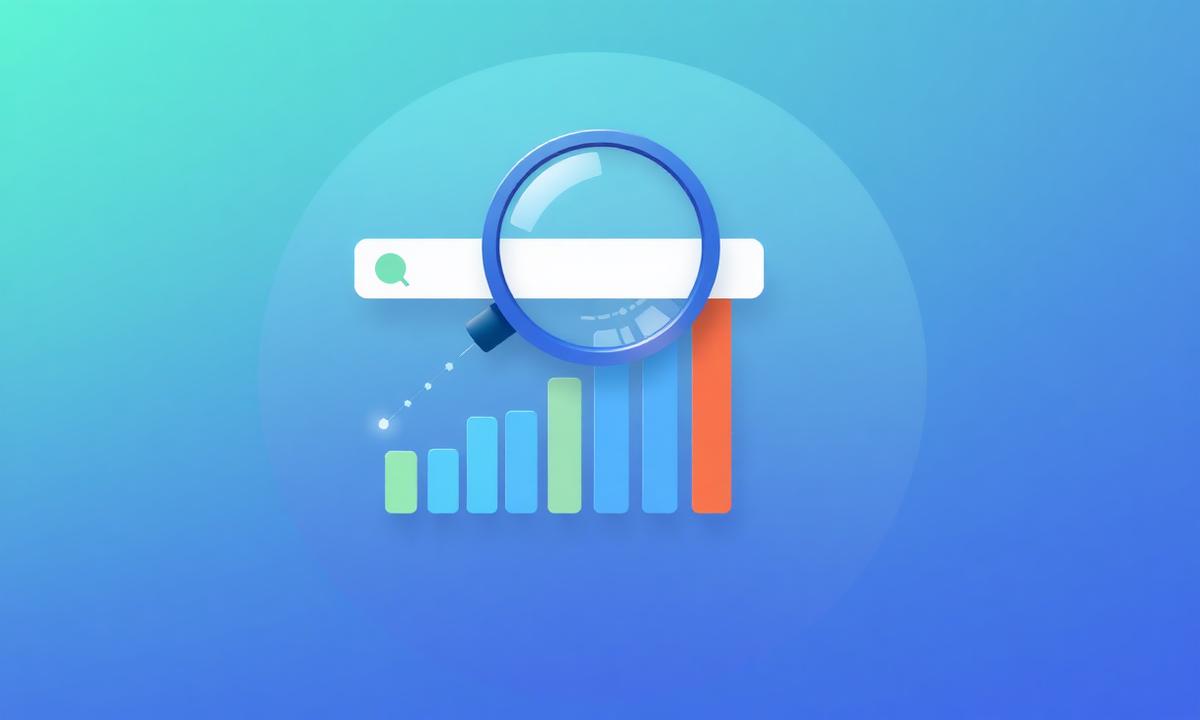
Every day, more than 8.5 billion searches happen on Google alone. If your business isn't visible in those results, you're invisible to the people actively looking for what you sell. Search Engine Optimization (SEO) is the discipline of showing up — consistently, ethically, and profitably — for the searches that matter to your business. This guide breaks SEO down from the ground up: no jargon, no gimmicks, just the fundamentals every marketer, founder, and content creator should understand in 2026.
What Exactly Is SEO?
SEO stands for Search Engine Optimization. It is the practice of improving your website, its content, and its authority so that search engines like Google, Bing, and increasingly AI-powered answer engines rank your pages higher for relevant queries. Higher rankings mean more clicks, more clicks mean more visitors, and more visitors — if you have the right offer — mean more customers.
Unlike paid ads, SEO traffic doesn't disappear the moment you stop spending. A well-optimized page can generate qualified visitors for years. That compounding effect is why SEO consistently delivers one of the strongest returns on investment of any digital marketing channel.
How Search Engines Actually Work
To rank in search, you first have to understand what search engines are doing behind the scenes. The process boils down to three steps:
- 1Crawling — Automated bots (called crawlers or spiders) follow links across the web and discover pages.
- 2Indexing — Discovered pages are stored in a massive database and analyzed for topic, quality, and structure.
- 3Ranking — When someone searches, the engine sorts indexed pages by hundreds of signals to return the most useful results.
Your job as an SEO is to make it easy for crawlers to find you, easy for the index to understand you, and easy for the algorithm to trust you.
The Three Pillars of Modern SEO
1. Technical SEO
Technical SEO ensures your website is fast, crawlable, mobile-friendly, and structured in a way search engines can parse. This includes site speed, Core Web Vitals, XML sitemaps, HTTPS, structured data, and mobile responsiveness. If technical foundations are broken, no amount of content or backlinks will save you.
2. On-Page SEO
On-page SEO covers everything you can optimize directly on a page — title tags, headings, meta descriptions, internal linking, image alt text, and above all, the quality and relevance of the content itself. Great on-page SEO answers the searcher's question better than any competing page.
3. Off-Page SEO
Off-page SEO is about your reputation across the wider web. Backlinks from trusted sites, mentions in industry publications, and consistent brand signals all tell Google that other people find your content credible. Authority is earned, not bought.
Why SEO Still Matters in the Age of AI
The rise of generative AI hasn't killed SEO — it has expanded it. AI Overviews, ChatGPT search, and Perplexity all pull from the same web of ranked, trusted, well-structured content. The brands that were already dominating traditional search are the ones being cited most often by AI answer engines. If anything, foundational SEO now matters more, not less.
Key Benefits of Doing SEO Right
- Sustainable, compounding traffic that grows year over year
- Higher trust and credibility versus paid ads
- Better user experience across your entire site
- Lower customer acquisition cost over time
- Insights into what your audience actually wants
Common SEO Misconceptions
Beginners often confuse SEO with tricks, hacks, or keyword stuffing. Modern SEO is the opposite. Google's algorithms reward genuine expertise, clean site structure, and authentic authority. Any shortcut that tries to game the system carries a very real risk of manual penalties or algorithmic demotion.
Your First 30 Days of SEO
- 1Set up Google Search Console and Google Analytics 4
- 2Run a baseline technical audit and fix critical crawl issues
- 3Identify 10–20 keywords your ideal customer actually searches
- 4Optimize your top 5 most-visited pages for those keywords
- 5Publish one high-quality, in-depth article for a priority topic
- 6Start building topical internal links between related pages
Frequently Asked Questions
How long does SEO take to show results?+
Most sites see meaningful ranking improvements within 3–6 months, with compounding growth continuing well into year two. Timelines depend on niche competitiveness, site authority, and execution quality.
Can I do SEO myself, or do I need an agency?+
You can absolutely learn the fundamentals yourself. Hiring an agency makes sense when you need speed, scale, or specialist expertise — especially for competitive niches or enterprise-grade sites.
Is SEO better than paid ads?+
They serve different roles. Paid ads deliver instant traffic; SEO builds a durable asset. The best growth strategies use both — ads for immediate demand capture and SEO for long-term compounding.
Does SEO still work in 2026?+
Yes — and arguably better than ever. AI search engines are pulling from the same pool of ranked, trusted content that traditional SEO builds. Investing in SEO now positions you to win across every search surface.
Key Takeaway
SEO isn't magic, and it isn't a one-time project. It's a discipline of building a website that genuinely helps its audience — and then making sure search engines can find, understand, and trust it. Master the fundamentals in this guide, stay consistent, and organic search will become the most reliable growth engine your business owns.
Related articles
All articles →
Technical SEO Checklist for 2026: The Complete Framework
A modern, no-fluff technical SEO checklist covering crawlability, Core Web Vitals, indexation, structured data, and everything Google's algorithm actually rewards in 2026.
Read article
On-Page SEO Best Practices That Actually Move Rankings
The on-page optimization playbook we use to help pages climb the SERPs — from title tags and headings to internal linking, entities, and content depth.
Read article
Off-Page SEO & Link Building Strategies That Work in 2026
A modern, white-hat guide to off-page SEO and link building — from digital PR to guest posting to niche edits — with tactics that actually earn authority in 2026.
Read article