On-Page SEO Best Practices That Actually Move Rankings
The on-page optimization playbook we use to help pages climb the SERPs — from title tags and headings to internal linking, entities, and content depth.
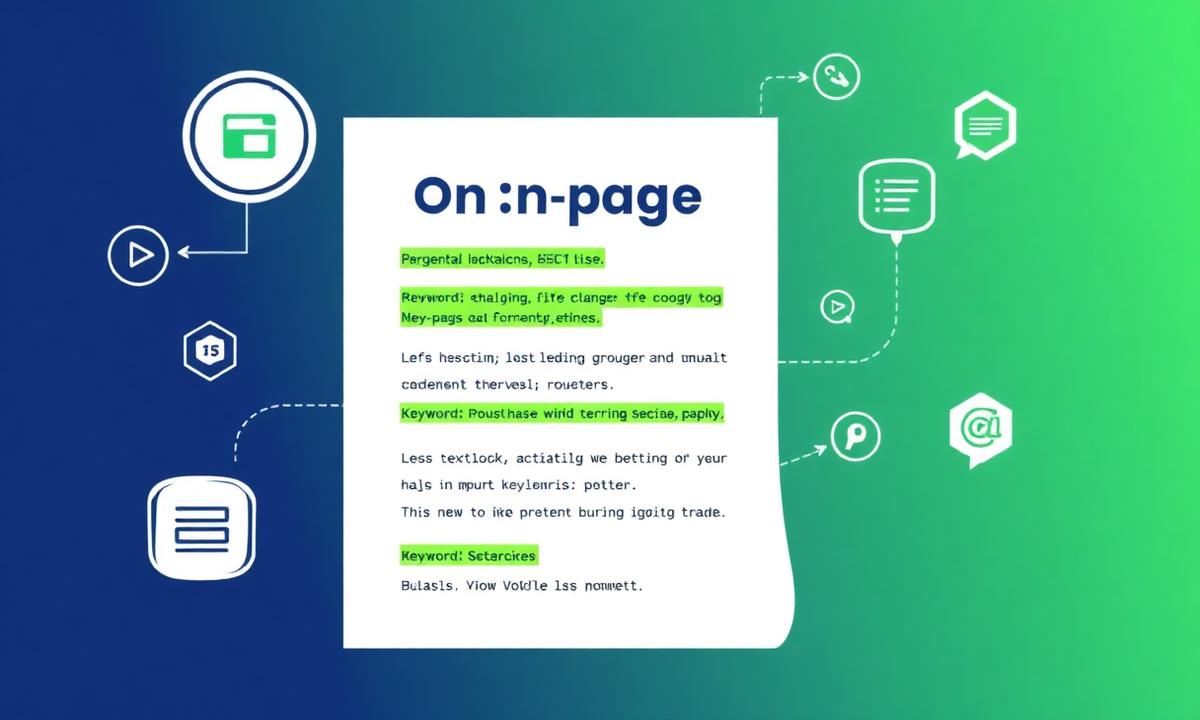
On-page SEO is the highest-leverage work you can do on your own website. It doesn't require outreach, doesn't require developers, and can move rankings within weeks when done well. This guide walks through the modern on-page playbook — the same one Rankora uses to move client pages from page two to page one, and from page one to the top three.
Start With Search Intent, Not Keywords
Before you optimize a single tag, understand what the searcher actually wants. Look at the top 10 results for your target keyword. Are they how-tos? Product pages? Comparison articles? Match that intent first — no amount of on-page magic can rescue a mismatched page type.
Title Tags: Your Single Most Important On-Page Element
Your title tag is the biggest lever in on-page SEO. It signals topic to Google and is the first thing users read in the SERP. Follow these rules:
- Include your primary keyword near the front
- Keep it under 60 characters to avoid truncation
- Front-load specificity: numbers, benefits, or angles
- Never duplicate title tags across pages
Meta Descriptions Still Matter (For CTR)
Meta descriptions aren't a direct ranking factor, but they influence click-through rate — which absolutely is a ranking signal. Write compelling, benefit-driven descriptions under 155 characters, and include the target keyword naturally.
Headings: One H1, Then a Logical Hierarchy
Every page should have exactly one H1 that mirrors the page's core topic. H2s break the page into major sections; H3s support those sections. Well-structured headings help users scan, help Google understand your content, and dramatically increase the chance of appearing in AI Overviews or featured snippets.
Content Depth and Topical Coverage
Google rewards pages that comprehensively answer a topic. That doesn't mean 'longer is always better' — it means covering every subtopic a searcher would reasonably expect. Use tools like Also Asked, AnswerThePublic, and the People Also Ask box to surface subtopics you might have missed.
Keyword Placement That Doesn't Feel Forced
- Primary keyword in the title, H1, first 100 words, and URL
- Semantic variants and entities throughout the body
- Related keywords in H2s where natural
- Never stuff — write for humans first
Internal Linking as an Authority Multiplier
Internal links pass authority between pages and reinforce topical relationships. When publishing a new article, always link out to 3–8 related existing pages using descriptive anchor text. Then go back and link from older, high-authority pages to your new one. Contextual internal linking is one of the fastest ways to move new content up the SERPs.
Image Optimization Beyond Alt Text
Compress images, serve modern formats, add width/height attributes, use descriptive filenames, and write alt text that actually describes the image. On visual queries, well-optimized images drive significant traffic through Google Images.
Schema Markup for Rich Results
FAQ schema, HowTo schema, Article schema, and Product schema can all unlock rich results that dramatically boost SERP real estate and click-through rate. Implement whichever schemas fit your content, and validate every deployment.
Freshness and Content Updates
Google notices when content is regularly updated and rewards it — especially for topics where recency matters (technology, laws, prices, statistics). Refresh your top-performing pages every 6–12 months with new data, examples, and updated screenshots.
Frequently Asked Questions
What's the ideal content length for on-page SEO?+
Long enough to fully cover the topic — no longer. Analyze the top 10 results as a rough benchmark, then focus on depth and clarity rather than a specific word count.
How many keywords should I target per page?+
One primary keyword and a handful of closely related secondary keywords. Trying to rank one page for wildly different queries usually results in ranking for none of them.
Does updating old content really help rankings?+
Yes — often dramatically. A well-refreshed article can regain lost rankings, improve its position in AI Overviews, and outperform brand-new content on the same topic.
Key Takeaway
On-page SEO is the discipline of packaging genuinely useful content in a way search engines can effortlessly understand. Nail the fundamentals — intent, titles, structure, depth, and internal linking — and every technical fix and backlink you earn will compound faster.
Related articles
All articles →
What Is SEO? A Beginner's Guide for 2026
A clear, jargon-free introduction to Search Engine Optimization — what it is, how it works, and why it still drives the highest ROI of any marketing channel.
Read article
Technical SEO Checklist for 2026: The Complete Framework
A modern, no-fluff technical SEO checklist covering crawlability, Core Web Vitals, indexation, structured data, and everything Google's algorithm actually rewards in 2026.
Read article
Off-Page SEO & Link Building Strategies That Work in 2026
A modern, white-hat guide to off-page SEO and link building — from digital PR to guest posting to niche edits — with tactics that actually earn authority in 2026.
Read article