Off-Page SEO & Link Building Strategies That Work in 2026
A modern, white-hat guide to off-page SEO and link building — from digital PR to guest posting to niche edits — with tactics that actually earn authority in 2026.
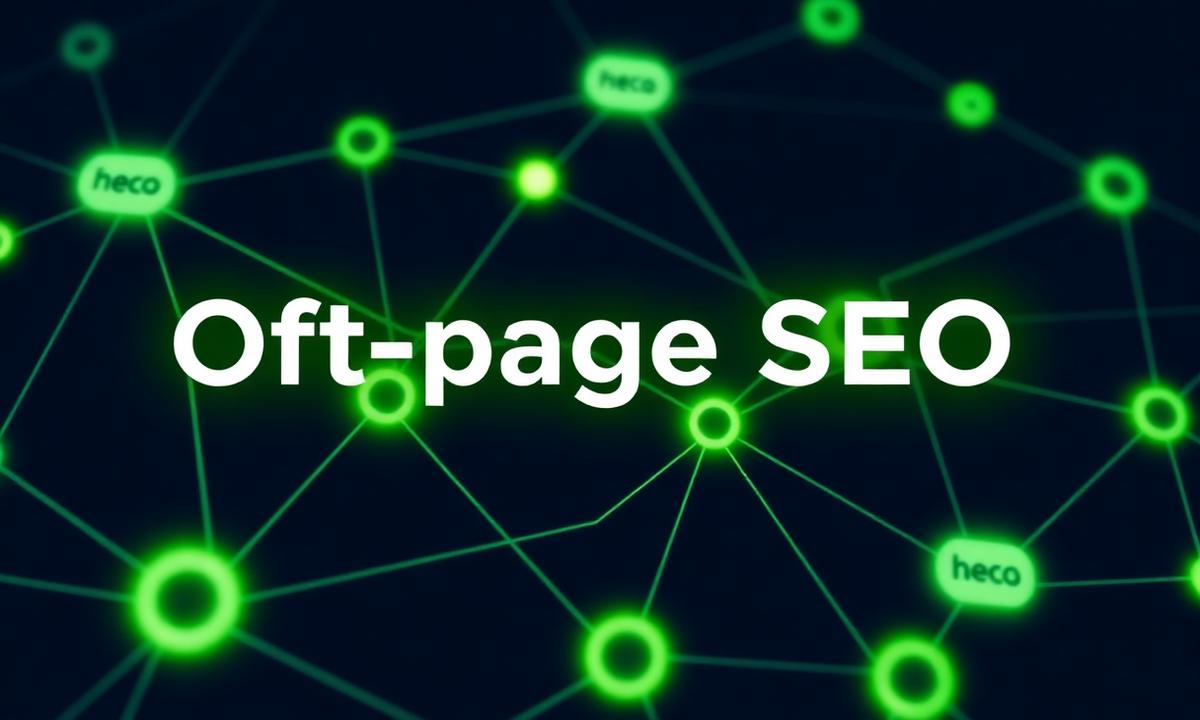
Off-page SEO decides how much your on-page work is worth. Google still relies heavily on external signals — especially backlinks — to determine which sites deserve to sit at the top of the results. But not all links are equal, and the old-school tactics of link farms, PBNs, and mass directory submissions are actively harmful in 2026. This guide covers the ethical, effective off-page tactics that build lasting authority.
What Off-Page SEO Really Is
Off-page SEO is everything you do outside your own website to increase its authority, reputation, and trustworthiness. That includes backlinks, brand mentions, digital PR, social signals, unlinked citations, and how your brand shows up across the wider web.
Why Backlinks Still Matter
A backlink is essentially a vote of confidence. When a trusted site links to you, Google treats it as third-party validation that your content is worth referencing. Even with the rise of AI answer engines, backlinks remain one of the strongest correlated ranking signals in every serious industry study.
The Anatomy of a Great Backlink
- Comes from a topically relevant site
- Sits in editorial content, not a footer or sidebar
- Uses natural, descriptive anchor text
- The linking domain has real organic traffic and authority
- The link is followed (not nofollow, unless from HARO or news)
White-Hat Link Building Strategies That Work
1. Digital PR
Digital PR combines journalism, data storytelling, and outreach. You create genuinely newsworthy assets — original research, surveys, ranked lists — and pitch them to journalists. Done right, a single campaign can earn dozens of high-authority links from Tier-1 publications.
2. Guest Posting
Contributing high-quality articles to relevant industry publications is still one of the most reliable ways to earn contextual backlinks. Focus on real editorial sites with real audiences — not link farms that publish anything.
3. HARO and Journalist Outreach
Platforms like HARO (now Connectively), Qwoted, and Featured connect journalists with expert sources. Respond quickly, provide genuinely insightful quotes, and you'll earn links from major publications you couldn't approach cold.
4. Niche Edits
Niche edits — sometimes called link insertions — involve reaching out to existing, relevant articles and getting your link added where it genuinely improves the piece. Done ethically, with real editorial value, this is one of the fastest ways to earn contextual links.
5. Broken Link Building
Find broken outbound links on relevant sites, create better replacement content, and reach out to suggest your link as the fix. It's high-effort but converts well because you're solving a real problem for the site owner.
6. Resource & Roundup Links
Many industry sites maintain 'best of' or resource pages. If your content is genuinely one of the best in its category, a polite, well-researched pitch can earn placement.
Tactics to Avoid at All Costs
- Buying links from mass link marketplaces
- Private Blog Networks (PBNs)
- Comment spam and forum signature links
- Reciprocal link schemes
- Any tactic that involves fake sites or manipulated ownership
Brand Mentions and Unlinked Citations
Google increasingly rewards brand entities. Consistent brand mentions across authoritative sites — even without a link — reinforce your reputation and topical authority. Track unlinked mentions and, where appropriate, reach out to convert them into links.
Measuring Off-Page Success
- Referring domains growth (not just raw link count)
- Domain Rating (DR) or Domain Authority (DA) trend
- Rankings for target commercial and informational terms
- Branded search volume growth over time
- Referral traffic from placed links
Frequently Asked Questions
How many backlinks do I need to rank?+
It depends entirely on your niche and competition. Some low-competition topics rank with a handful of quality links; competitive commercial terms may require hundreds. Focus on quality and relevance over raw volume.
Are nofollow links worthless?+
No. Google treats nofollow as a hint rather than a directive. Nofollow links from major publications still build brand authority and can drive referral traffic that indirectly improves SEO.
How long until backlinks impact rankings?+
Typically 4–12 weeks after Google crawls and processes the link. Highly authoritative links from Tier-1 sites can show impact faster.
Key Takeaway
Modern link building rewards patience, quality, and originality. Every link should be one you'd be comfortable defending to a Google engineer. Build authority the way great brands have always built it — by producing work worth talking about, then making sure the right people are talking about it.
Related articles
All articles →
What Is SEO? A Beginner's Guide for 2026
A clear, jargon-free introduction to Search Engine Optimization — what it is, how it works, and why it still drives the highest ROI of any marketing channel.
Read article
Technical SEO Checklist for 2026: The Complete Framework
A modern, no-fluff technical SEO checklist covering crawlability, Core Web Vitals, indexation, structured data, and everything Google's algorithm actually rewards in 2026.
Read article
On-Page SEO Best Practices That Actually Move Rankings
The on-page optimization playbook we use to help pages climb the SERPs — from title tags and headings to internal linking, entities, and content depth.
Read article